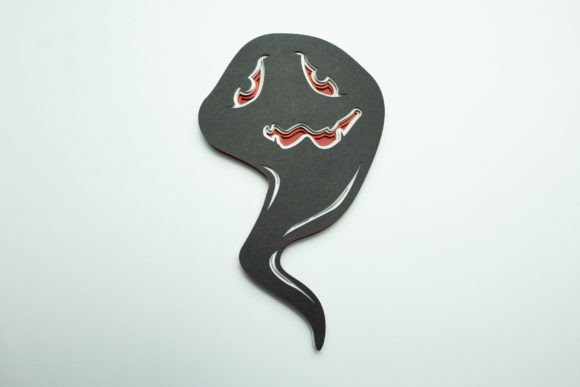
Ghost Layered Design 3D SVG Halloween
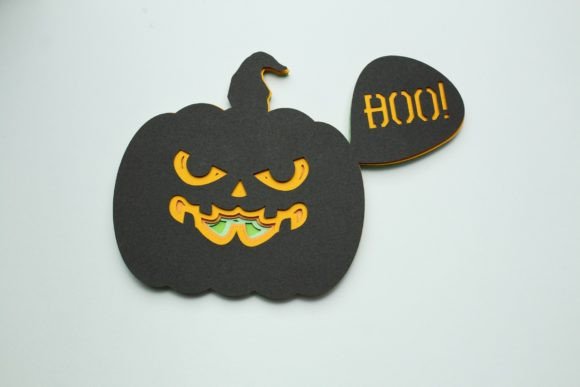
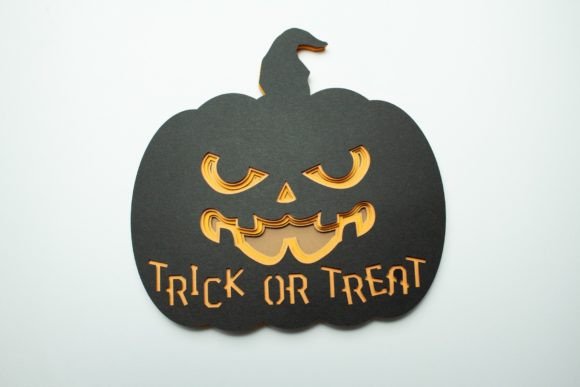
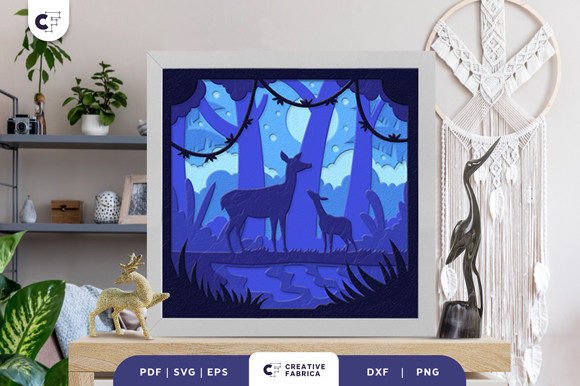
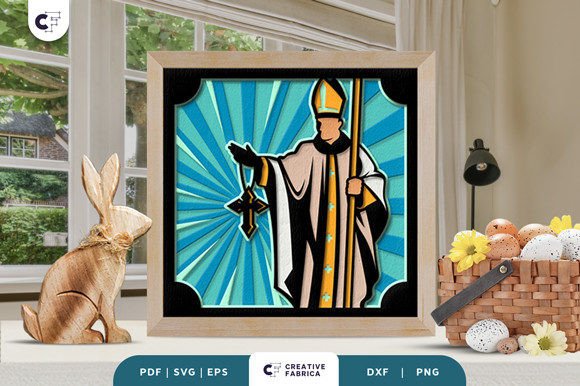
As a blog designer and digital publisher, I’ve seen countless graphic design assets come and go. But Ghost Layered Design stands out for its unique visual appeal and versatility in real content publishing workflows. This 3D SVG Halloween design offers a striking blend of creativity and functionality that can elevate editorial design, website headers, and social media graphics across multiple platforms.
The First Impression: A Hauntingly Effective Visual Mood
Upon first glance, Ghost Layered Design exudes a mysterious yet artistic energy. Its layered structure creates depth and dimension, making it ideal for content that needs to feel immersive and engaging. The Halloween theme adds a seasonal flair, perfect for blogs or websites focused on spooky storytelling, seasonal promotions, or themed content marketing. The design feels both playful and professional, making it suitable for a wide range of niches from lifestyle and entertainment to educational and creative industries.
Real Publishing Use Cases for Ghost Layered Design
Ghost Layered Design is a powerful tool for bloggers and publishers looking to enhance their visual storytelling. It can be used as a blog graphic for featured images, a Pinterest pin to attract traffic, or an article header to grab attention. In editorial layouts, it adds a decorative touch that complements the overall design without overpowering the content.
For newsletter creators, this design works well as a banner or header, helping to establish brand identity and create a cohesive look. As a Canva template, it provides a solid foundation for customizing social media graphics, digital guides, or lead magnets. Whether you're creating downloadable printables, eBook covers, or affiliate content visuals, Ghost Layered Design offers a polished and professional aesthetic that aligns with modern web design standards.
How Ghost Layered Design Boosts Content Performance
Visual hierarchy is crucial in content marketing, and Ghost Layered Design supports this by drawing the eye and guiding readers through the page. Its layered structure helps create a stronger first impression, which is essential for increasing click-through rates and reader engagement. When used effectively, it can also improve brand consistency across different content formats, reinforcing your website’s identity and building trust with your audience.
Additionally, this design asset enhances category recognition by providing a clear visual cue for Halloween-themed content. It can be used as a thumbnail for blog posts, a background for downloadable resources, or a preview for social media posts. These elements collectively contribute to a more professional-looking content page that resonates with readers and encourages further interaction.
Where Ghost Layered Design Excels in Publishing Workflows
This design shines in hero images, article thumbnails, and Pinterest pins where visual impact matters most. As a website header, it sets the tone for your content and creates a memorable user experience. In editorial accents, it adds a touch of creativity without overwhelming the layout. For content upgrades and downloadable resources, it serves as a strong visual anchor that reinforces your brand’s style.
Ghost Layered Design also works well as a newsletter header, social media preview, or digital ad graphic. Its adaptability makes it a valuable addition to any content creator’s toolkit, especially when working on seasonal campaigns or themed content projects.
When to Use Ghost Layered Design with Caution
While Ghost Layered Design is versatile, it may not be suitable for every scenario. On small mobile thumbnails, the intricate details might get lost, reducing its effectiveness. In text-heavy blog images, it could distract from the main message rather than support it. Low-contrast backgrounds or busy layouts may also diminish its visual impact.
For serious professional niches or corporate content, this design might feel too decorative. If your website requires a minimal visual system, Ghost Layered Design could clash with the overall aesthetic. It’s important to consider the context and ensure the design aligns with your brand’s voice and goals.
Publisher Notes: Testing and Optimization Tips
Before using Ghost Layered Design in your publishing workflow, test it on both desktop and mobile screens to ensure it looks sharp and readable. Preview it inside a real blog layout to see how it interacts with other elements. Check how it appears as a thumbnail and with headline text to confirm its usability.
Test the design in black and white to assess its contrast and visual balance. Place it beside different font styles—serif, sans serif, script, handwritten, and display—to determine which combinations work best. Review the file size for web performance and compress images where necessary to maintain fast loading times.
Finally, always confirm the commercial license before using Ghost Layered Design on monetized websites, affiliate pages, or paid content products. Ensure it meets the requirements for your specific use case, whether you're creating a digital product, printable design, or Canva template.
Conclusion: A Valuable Addition to Your Creative Toolkit
Ghost Layered Design is more than just a Halloween-themed 3D SVG—it’s a flexible and visually compelling graphic design asset that can enhance your editorial design, website branding, and content marketing efforts. Whether you're designing blog graphics, social media visuals, or digital guides, this asset offers a fresh and effective way to elevate your online presence.